



Kitchen Flooring Replacement in Philadelphia, PA
Tear out the old, fix the subfloor, and install a kitchen floor built for daily wear. Tile, LVP, hardwood, and engineered floors set by a licensed crew.
Facebook, Google, Yelp & BBB
4.9 & A+ Rating
Based on over 270+ reviews
Get In Touch With Us
Enter your contact information below
Better Floors for Philly Kitchens That Get Used Hard
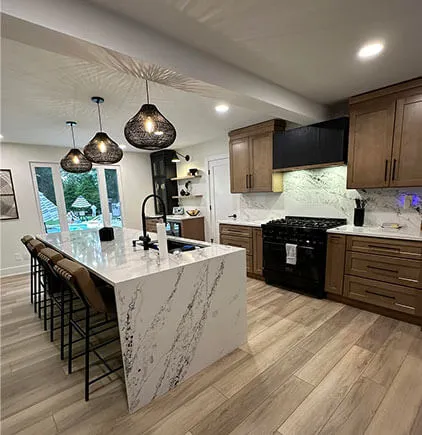
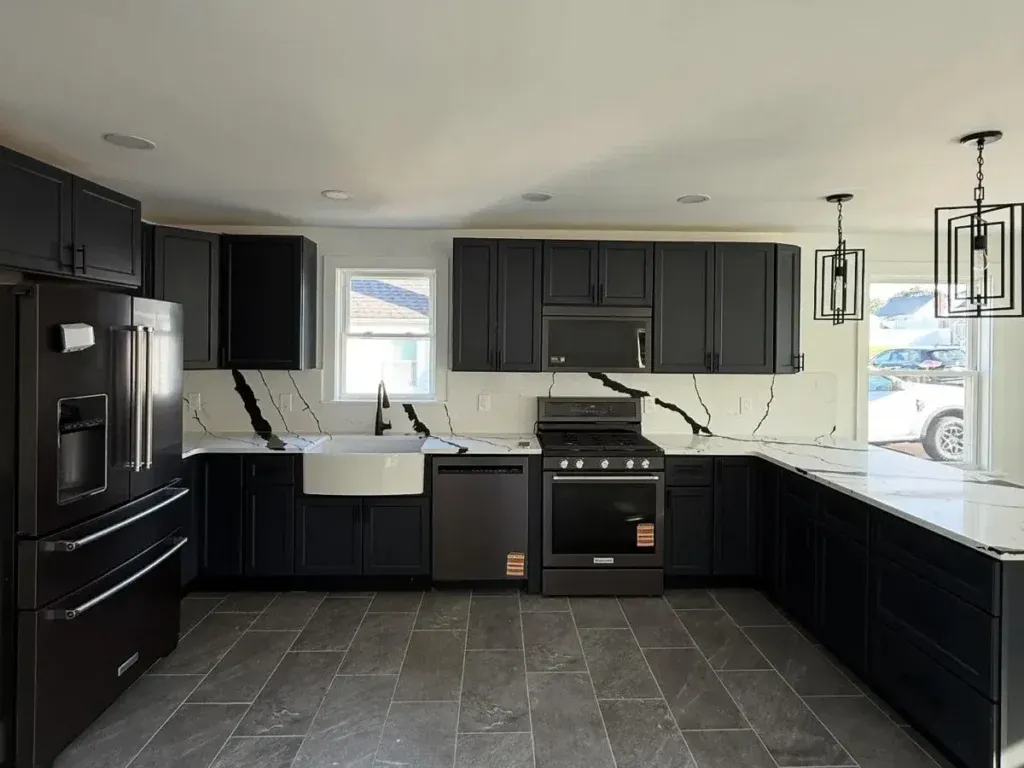
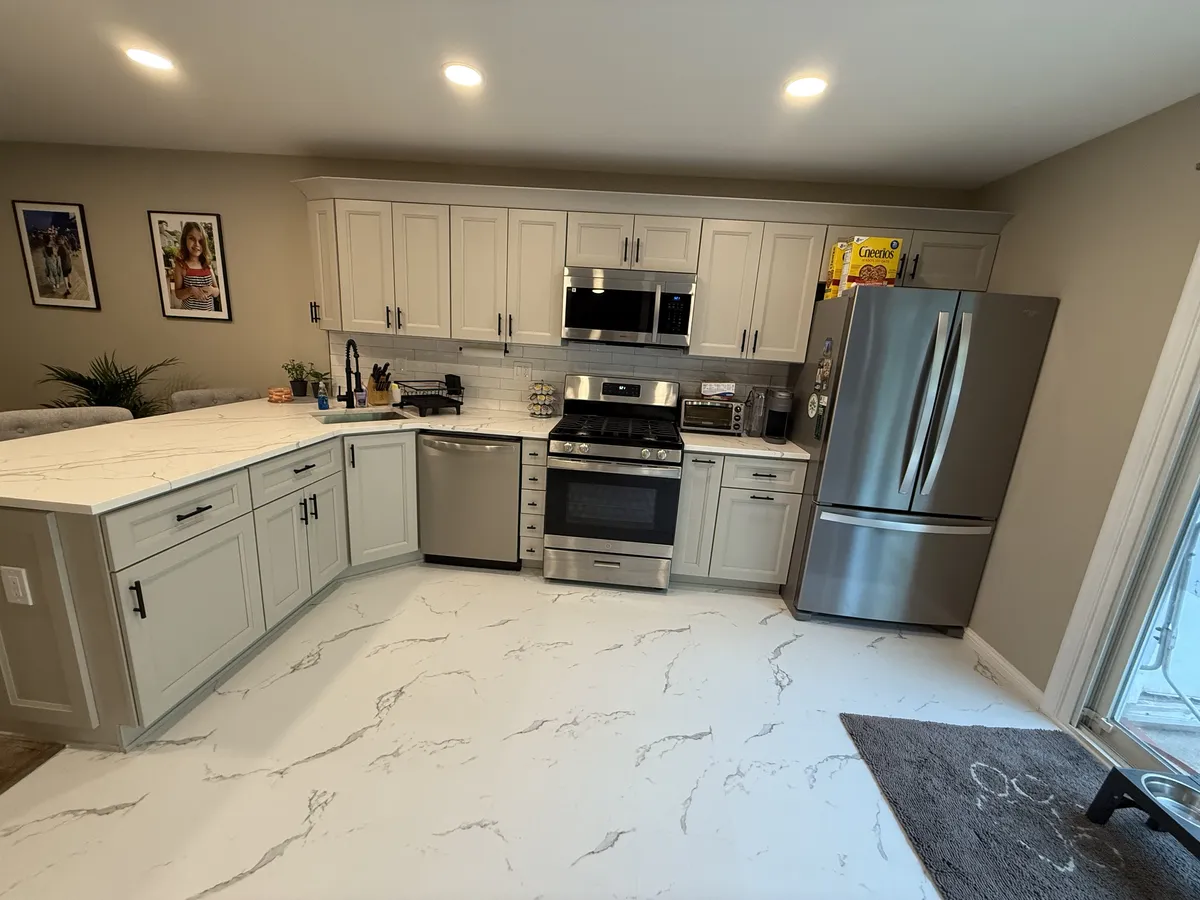
Kitchen floors in Philadelphia take a beating. Dropped pans, water spills, dishwasher leaks, and foot traffic in and out of the back yard add up over the years. A worn floor drags down the whole kitchen, even if the cabinets and counters still look fine.
Showcase Remodels has replaced kitchen floors in Center City row homes, South Philly twins, and Northeast Philly singles since 2002. Flooring is one of the most-requested updates inside our kitchen remodeling jobs and as a standalone service.
We pull the old floor, fix the subfloor, and install your new surface over a clean, level base. Call 215-515-6484 for a free in-home estimate.
Best Kitchen Flooring Options for Philadelphia Homes
Not every floor type belongs in every Philly kitchen. The right choice depends on your subfloor, your budget, and how the room gets used. Here are the four we install most often.
Luxury Vinyl Plank
LVP is waterproof, soft underfoot, and forgiving on uneven subfloors. We click-lock it over a thin underlayment in most row home kitchens. It is a great pick for families with kids and dogs and for finished basements in Roxborough that flood once a decade.
Porcelain or Ceramic Tile
Tile is the longest-lasting option for a kitchen floor. It needs a stiffer subfloor and an uncoupling membrane to stop cracks. We thinset and grout every tile to a flat plane. South Philly homes with older joists often need extra structural prep before tile goes down.
Solid Hardwood
Hardwood adds warmth and resale value. It scratches and dents over time and needs a refinish every ten to fifteen years. Hardwood is a strong fit for Center City and Mt. Airy homes that already have wood floors in the rest of the first floor.
Engineered Hardwood
Waterproof Engineered Stone
Newer rigid core floors layer a stone-plastic composite under a wear coat. They handle dishwasher splash zones without swelling. We install these in busy family kitchens across Center City, Fishtown, and Roxborough where spills happen every day.
Engineered wood has a real wood top layer over a plywood core. It handles humidity better than solid wood and works well over a concrete slab. A common pick for kitchen and great room combos in Northeast Philly. Plank widths from three to seven inches let you match the look of older row home floors or a wider modern look.
Why Subfloor Prep Matters in Older Philadelphia Kitchens
What goes under the floor matters as much as the floor itself. Older Philadelphia homes were built with plank subfloors, plaster patches, and sometimes three layers of old vinyl glued down over the years. None of it is flat enough for a new modern floor.
Demo and tighten boards
After demo, we sweep, scrape, and screw down any loose boards. Squeaks usually come from a board that pulled away from a joist. Two or three screws into the joist stop the noise.
Check flatness for code
Next, we check the subfloor for flatness with a long straightedge. PHRC code calls for tile to sit on a subfloor that does not deflect more than the span over 360. In plain English, the floor has to be stiff. If it is not, we add a second layer of plywood or use a backer board.
Scrape glue and clean
Plaster dust, drywall mud, and old glue all get scraped off. Loose vinyl tabs ruin a click-lock floor or telegraph through a tile job. We start clean every time.
A flat, stiff, clean
A flat, stiff, clean subfloor is what makes the difference between a floor that lasts twenty years and one that fails in three. The same care goes into the rest of our kitchen design work.
Transition Strips Between the Kitchen and the Rest of the House
Most Philadelphia kitchens open into a hallway, dining room, or back addition. The new floor has to meet whatever is already there in the next room. The wrong transition looks sloppy and trips people.
T-Molding
We use T-molding when two hard floors of the same height meet, like LVP to hardwood. The strip drops into a track and hides the seam without a big lip.
Threshold or Reducer
A reducer slopes from a taller floor down to a shorter one. We use this when going from tile to a thinner LVP, common in older row homes with mixed floor heights.
Schluter Edge
Saddle to Carpet
When the kitchen meets a carpeted living room, we install a wood or aluminum saddle. The carpet pad gets cut back and the carpet tucks under the saddle for a tight seam.
For exposed tile edges at a doorway, we set a metal Schluter strip into the thinset. It protects the tile edge and gives a clean finish line.
Ready to Replace Your Philly Kitchen Floor?
Call Showcase Remodels at 215-515-6484 or send a quick message. We visit your home, check the subfloor, and walk you through the right material for your kitchen.


Why Choose Showcase Remodels for Kitchen Flooring Replacement in Philadelphia
Kitchen flooring is more than picking a plank and rolling it out. It takes subfloor prep, water damage repair, clean transitions, and a crew that respects your home. Showcase Remodels has done that work in Philly for over twenty years.
We carry NJ contractor license 13VH04055000 and full liability coverage for work in Philadelphia. Insurance and license docs go to every customer up front.
Our 4.9-star average across more than 350 reviews comes from real Philly homeowners in Center City, South Philly, Fishtown, and Northeast Philly. An A+ BBB rating backs it up.
Our floor crew is on staff, not day labor. The same team that pulls your old floor preps the subfloor, installs the new material, and trims out the room.
Frequently Asked Questions About Kitchen Flooring Replacement in Philadelphia
Most kitchen flooring jobs take three to five working days. LVP runs the fastest. Tile takes longer because of mortar and grout cure times. Older Philly row homes that need subfloor repair can add a day or two.
Yes, in most cases we install the new floor up to the front edge of the existing cabinet boxes. Tile and LVP both work this way. If you are also replacing cabinets, we time the floor install around the cabinet schedule for a cleaner finish.
Porcelain tile is the most durable for a busy kitchen. LVP is a close second and is far softer underfoot. Both handle the spills, foot traffic, and humidity swings that come with Philadelphia weather. We help you pick the right one for your home during the in-home visit. Call 215-515-6484 to schedule a free estimate.
Related Kitchen Services in Philadelphia
New Kitchen Look Without the Full Replacement Price Your kitchen cabinets take up more visual space than any other element …
Professional Kitchen Countertop Installation in Philadelphia Showcase Remodels Philadelphia provides expert kitchen countertop installation services across Philadelphia. Whether you are …
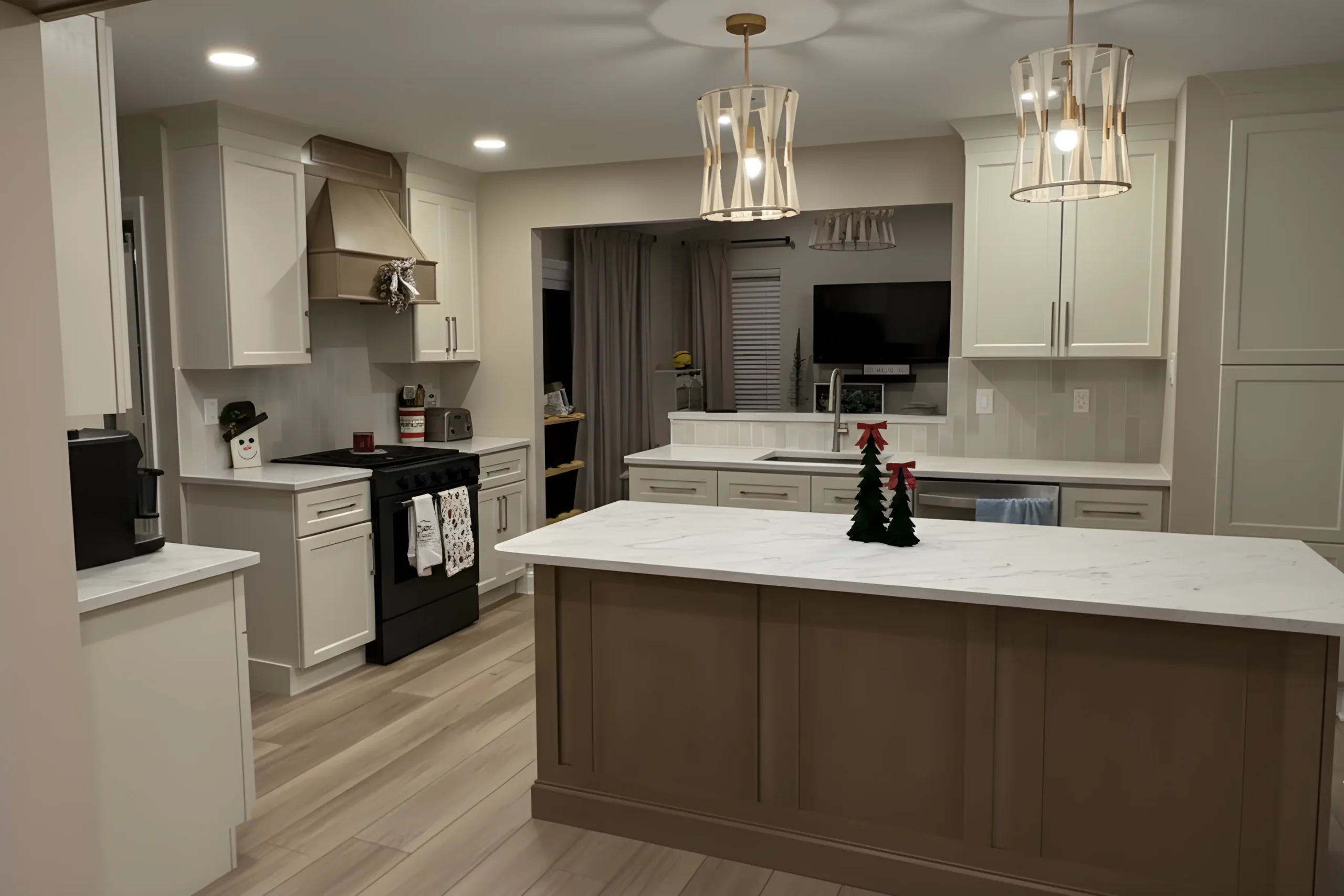
Professional Kitchen Design in Philadelphia Showcase Remodels Philadelphia provides expert kitchen design services across Philadelphia. Whether you are updating a …