




YOUR TRUSTED HOME REMODELING COMPANY IN PHILADELPHIA

Heated Bathroom Floors In Philadelphia, PA

Step onto warm floors every morning. Showcase Remodels installs radiant heated bathroom floors across Philadelphia with expert precision and clean, on-time results.

Facebook, Google, Yelp & BBB

4.9 & A+ Rating

5-star rating icons

Based on over 270+ reviews

Get In Touch With Us

Enter your contact information below

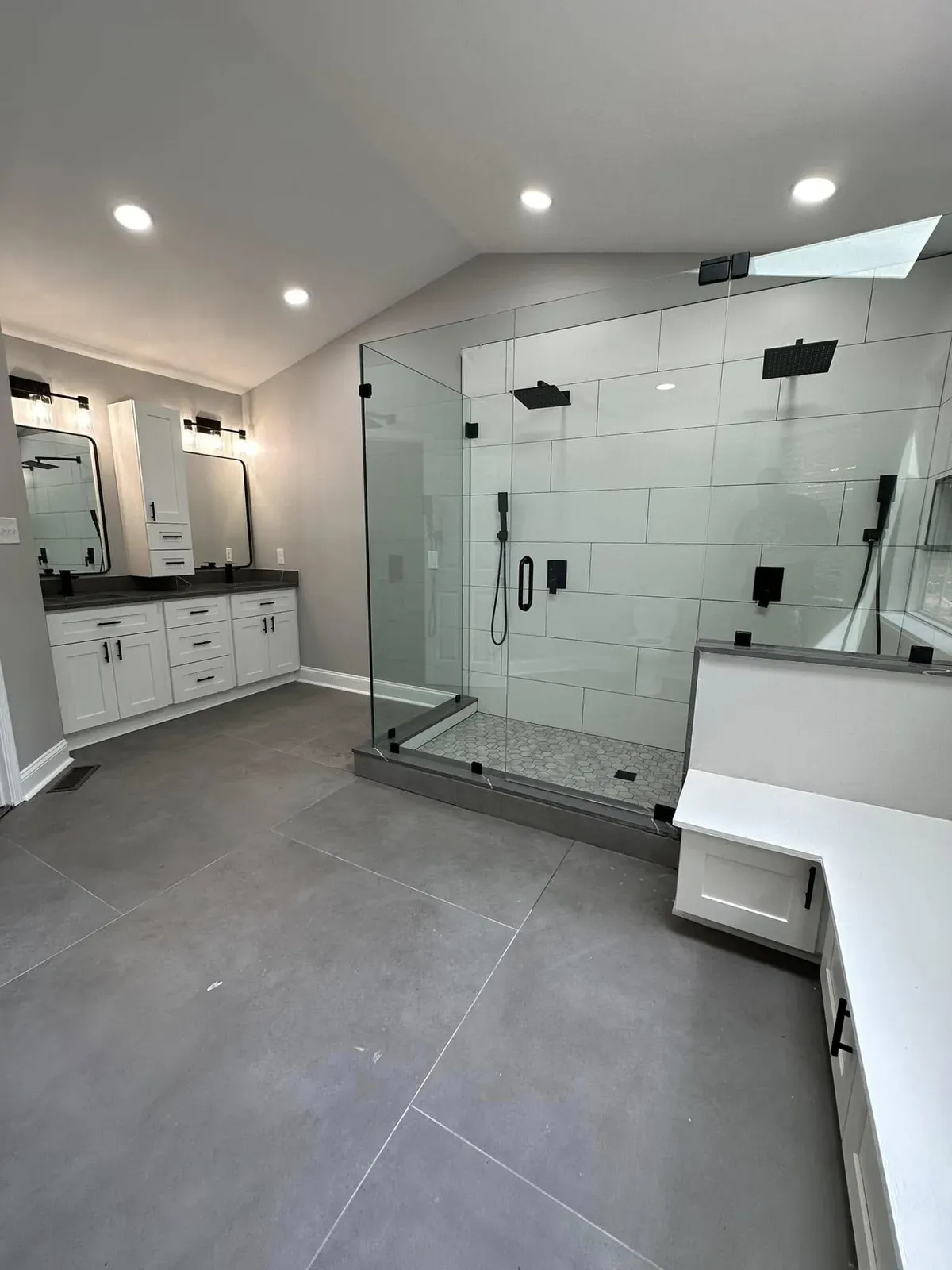
Large format porcelain tile over heated floor system in Philadelphia bathroom

Cold Bathroom Floors Are a Thing of the Past

Heated bathroom floors in Philadelphia are one of the most popular upgrades homeowners ask about. Cold tile on bare feet is uncomfortable, especially during long Pennsylvania winters. Radiant floor heating solves that problem and adds everyday comfort to any bathroom.

At Showcase Remodels, we install electric radiant heating systems as part of full bathroom remodeling projects throughout Philadelphia. Whether you are updating a small guest bath or building a spa-style master suite, heated floors fit into nearly any plan. The systems are low-profile, energy efficient, and built to last decades.

We handle every step from subfloor prep to thermostat setup. Call (856) 302-2882 or contact us for a free estimate.

Electric Mat and Cable Systems Work Best in Bathrooms

There are two main types of radiant floor heating: electric and hydronic. For single bathrooms, electric systems are the clear winner. They are easier to install, less expensive, and heat up faster than hydronic alternatives. They also require no boiler or pump equipment.

Electric mat systems use thin heating elements bonded to a mesh sheet. The mat rolls out directly over the subfloor before tile goes down. This is the most common option for standard rectangular rooms. Mats come in preset widths and can be trimmed to fit the space. They provide even heat distribution across the entire floor area.

Cable systems use individual heating wires spaced across the floor. They offer more flexibility for odd-shaped rooms, around toilet flanges, or in tight spaces where mats cannot reach. Spacing between cables can be adjusted to increase or decrease heat output in specific zones. Both types connect to a wall thermostat with timer and temperature controls.

Hydronic systems pump heated water through tubing under the floor. They work well for whole-house installations but are too complex and costly for a single bathroom. The extra plumbing, pump, and boiler requirements make them impractical for most bathroom projects. We recommend electric systems for nearly every bathroom remodel we handle.

The Right Flooring Makes Heated Floors Perform Better

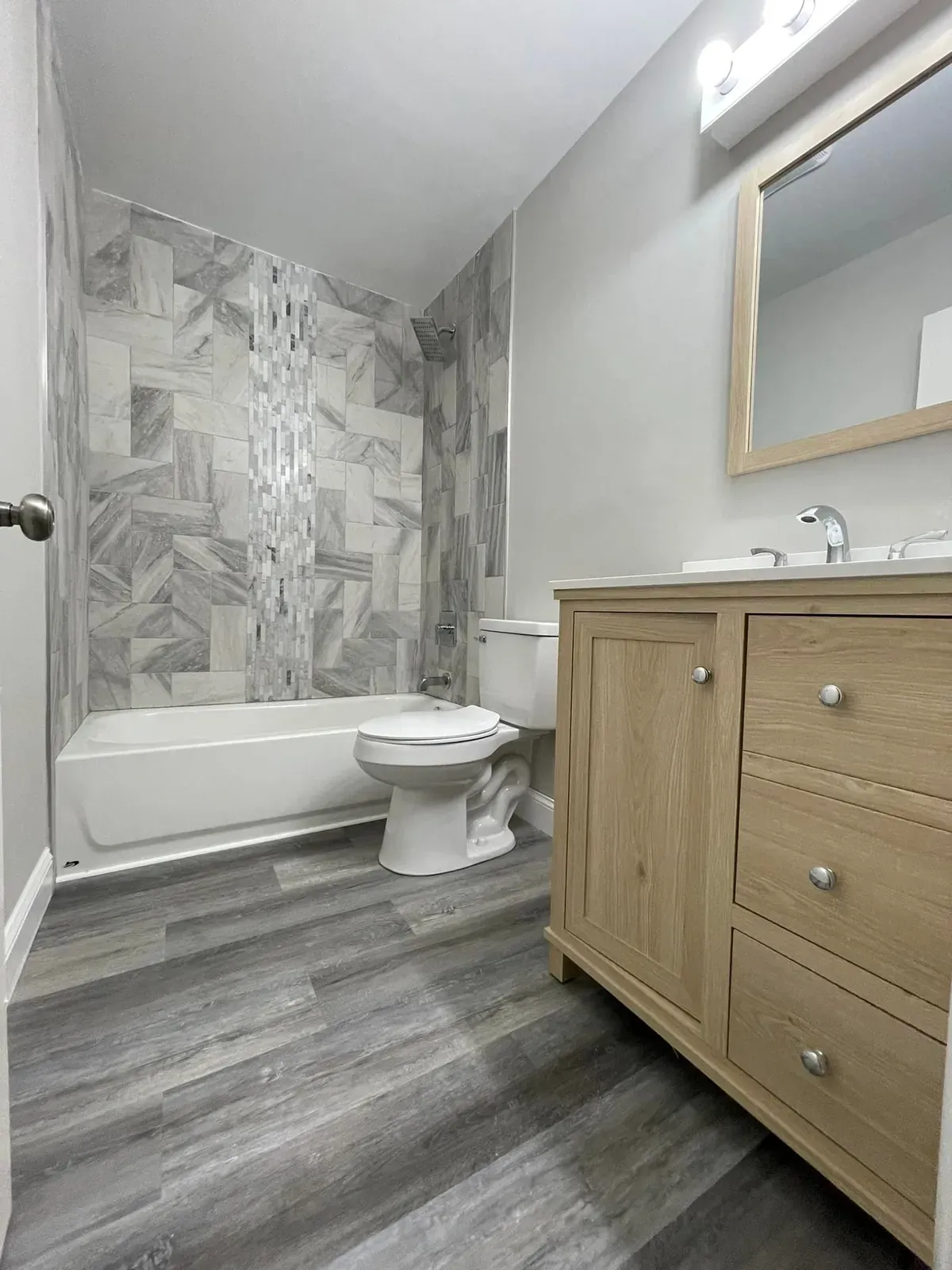
Vinyl plank flooring compatible with radiant floor heating in Philadelphia

Not every flooring material conducts heat the same way. The best choices for radiant heat are materials that absorb warmth and transfer it to your feet quickly. Choosing the wrong material can block heat and waste energy.

Porcelain tile is the top pick. It holds heat well and comes in hundreds of styles, colors, and sizes. Natural stone like marble, slate, and travertine also performs well and gives bathrooms a high-end look. For a softer feel underfoot, luxury vinyl plank is compatible with most electric systems and still transfers heat effectively. Our bathroom flooring team can walk you through every option and help you pick the right match for your home.

Avoid thick carpet or solid hardwood over radiant systems. These materials insulate the heat instead of releasing it, which forces the system to work harder and reduces performance. Engineered wood can work in some cases, but tile and stone remain the most popular and effective choices for heated bathroom floors in Philadelphia homes.

Tile thickness also matters. Thinner tiles heat up faster. Large-format porcelain tiles are a popular pairing because they cover more area with fewer grout lines, creating a clean, modern look that conducts heat evenly across the surface.

How We Install Heated Bathroom Floors

Installation starts with preparing the subfloor. We check for level, patch any low spots, and apply a crack isolation membrane when needed. A flat, clean surface is required for the heating elements to sit properly. Any moisture issues or subfloor damage gets addressed before anything else goes down.

Next, we lay the electric mat or cable system according to the manufacturer’s layout plan. Mats go down in straight runs across the open floor area. Cables get secured with straps at set intervals. We avoid placing heating elements under the toilet, vanity cabinet, or other fixed objects where heat cannot escape.

We test the system at every stage to confirm it is working before anything gets covered. Resistance readings are taken before, during, and after installation. This catches any damage to the wiring before thin-set goes on top.

Thin-set mortar goes over the heating elements. Then tile or stone is set on top. The system adds less than half an inch of height to the floor. A programmable thermostat mounts on the wall so you can set schedules and target temperatures. Most units include Wi-Fi capability for phone-based control.

Most heated floor installations add one to two days to a standard bathroom remodel. The system needs to cure before first use, typically about 28 days for mortar to fully set. Running the system too early can crack the thin-set and void the warranty.

Full-Service Bathroom Remodeling With Radiant Heat Options

LICENSED GENERAL CONTRACTOR IN PHILADELPHIA SINCE 2002

Heated Floors Are More Affordable to Run Than You Think

A common concern is the cost to run heated bathroom floors. Electric radiant systems are surprisingly efficient. Most bathroom-sized systems use about as much energy as a few light bulbs. The low wattage per square foot keeps monthly costs well under control.

A typical 50-square-foot bathroom costs roughly 10 to 25 cents per day to heat for a few hours. Programmable thermostats help keep costs low by running the system only when you need it, like mornings and evenings. You can set it to turn on 30 minutes before your alarm and shut off after you leave for work.

Radiant heat warms objects and people directly rather than heating the air. This means less energy waste compared to forced-air systems. Heated floors also reduce the need to crank up the main thermostat during cold months, which can offset part of the operating cost.

Most electric mat systems come with 15 to 25 year manufacturer warranties. With no moving parts and no maintenance required, these systems often last the full life of the floor itself. If you ever need to replace the flooring, the heating system can stay in place or be replaced at that time.

For Philadelphia homeowners who deal with cold mornings from October through April, heated bathroom floors provide daily comfort for a very small cost. It is one of the few upgrades that homeowners say they notice and appreciate every single day.

Why Choose Showcase Remodels for Heated Bathroom Floors in Philadelphia

Showcase Remodels has been a licensed general contractor since 2002. We hold NJ license #13VH04055000 and serve homeowners across Philadelphia and South Jersey. Our team has completed thousands of bathroom projects, many of which include radiant floor heating as part of the scope.

We carry a 4.9-star rating across 350+ verified reviews and an A+ rating with the BBB. Every project gets a dedicated project manager, written scope of work, and clear timeline. Owner Sam DeMaio stays involved in day-to-day operations and is available to answer questions throughout the process.

From tile installation to heated floors to full luxury bathroom remodels, we handle every trade in-house. No subcontractor runaround. One team, one point of contact, one standard of quality from start to finish.

Frequently Asked Questions About Heated Bathroom Floors in Philadelphia

Cost depends on the size of the bathroom and the type of system. Electric mat systems for an average bathroom typically run between $800 and $1,500 for materials, plus labor for installation. We provide exact pricing during your free in-home estimate.

Yes. Heated floors are commonly installed during bathroom remodels when the old flooring is removed. The electric mats are thin enough to add without raising the floor height more than a fraction of an inch. This makes them a great fit for renovation projects.

Porcelain tile and natural stone are the best conductors of radiant heat. Luxury vinyl plank also works well. Thick carpet and solid hardwood should be avoided because they block heat transfer and reduce the system’s performance.

Yes. Modern electric radiant systems are UL-listed and designed for wet areas. They operate on low voltage and include built-in ground fault protection. The heating elements are fully sealed under the floor surface and pose no safety risk.

Electric systems reach full temperature in about 20 to 30 minutes. Using a programmable thermostat, you can set the floor to warm up before you wake so it is ready when you step in. Wi-Fi thermostats also let you turn the system on remotely from your phone.

Related Bathroom Remodeling Services in Philadelphia

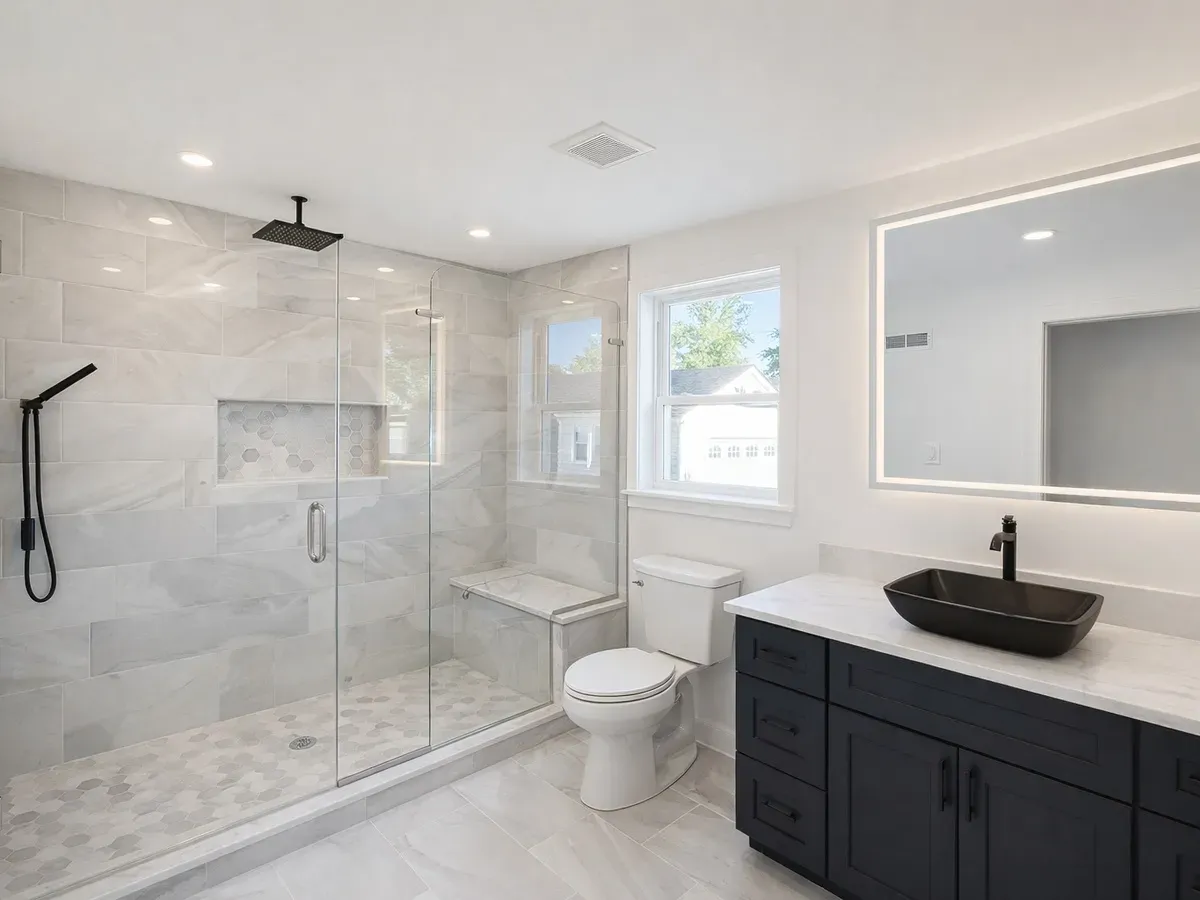
Your Philadelphia Home Deserves a Bathroom That Feels Like a Retreat A luxury bathroom remodel in Philadelphia goes beyond surface-level …
Worn-Out Bathroom Floors Create Bigger Problems Than You Think Cracked grout, peeling vinyl, and warped subfloors let water seep where …
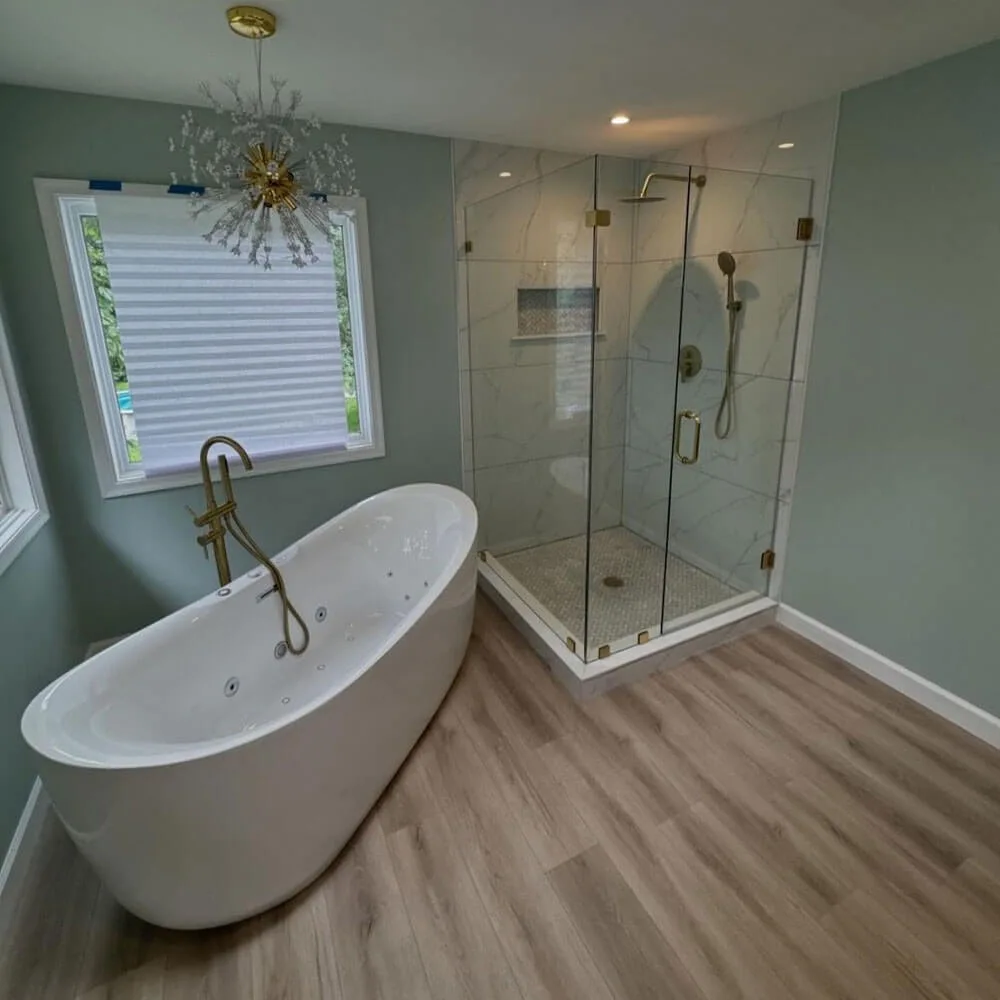
Expert Tile Installation in Philadelphia, PA Professional tile installation in Philadelphia for bathrooms, showers, floors, backsplashes, and accent walls Precision …

Scroll to Top