







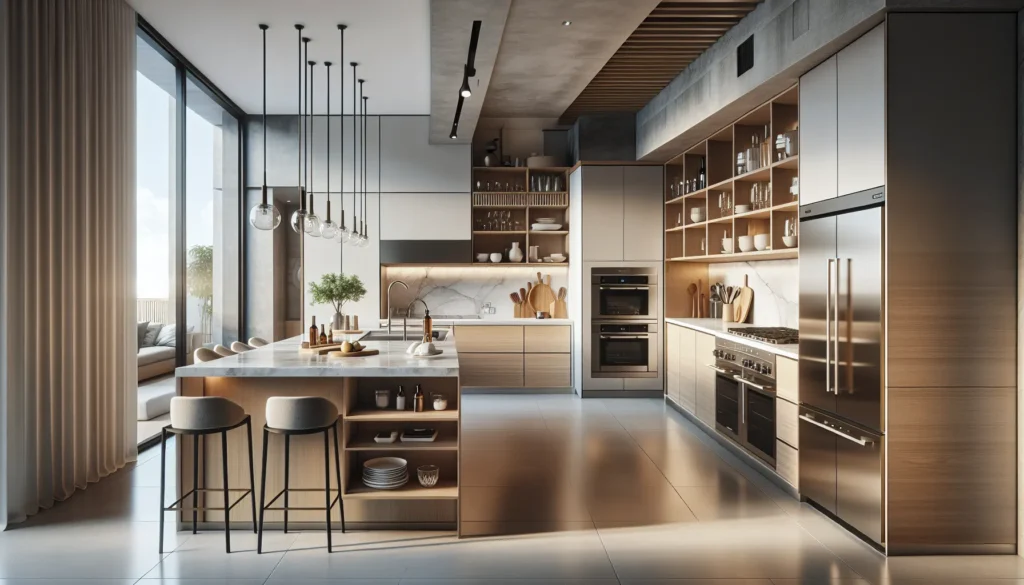
Understand the question: what is the number one rule in the kitchen?
When you ask, “What is the number one rule in the kitchen?” you may get different answers: practice good hygiene, stick to organized workflows, or stay vigilant about safety. In truth, all these ideas blend together. From a food safety standpoint, many experts emphasize that maintaining proper hygiene should be your top priority. In fact, a 2026 blog by CloudKitchens highlights that vigilant kitchen hygiene is vital for preventing contamination and protecting health. (CloudKitchens)
However, you also need to consider practical training and systems that keep your space accident-free. According to the Auguste Escoffier School of Culinary Arts, setting up clear protocols, and training everyone who uses your kitchen, is another crucial step. (Escoffier Online) When you merge these principles together, you have the essential rule: your kitchen must be clean, safe, and consistent in its routines. This article will guide you through why that matters, and how to achieve it. For professional help designing a kitchen that prioritizes safety and cleanliness, explore our kitchen remodeling services.
Make cleanliness your top priority
Cleanliness remains the core answer to “what is the number one rule in the kitchen?” because a spotless environment gives you a fresh start each time you cook or prepare meals. When surfaces are disinfected, and utensils are washed properly, you minimize the risk of transferring bacteria from one dish to another. (FoodSafety.gov) In a busy home, especially when you are entertaining or rushing to get dinner on the table, germs can spread quickly if you neglect regular cleaning.
For homeowners in Philadelphia planning a remodel, taking cleanliness into account should be part of your design strategy. Choose durable finishes for countertops, floors, and backsplashes that are easy to wipe down, non-porous surfaces can limit bacterial penetration. You also want to ensure that storage solutions allow you to keep your counters uncluttered. This helps you clean thoroughly without knocking into dozens of spice jars or utensils. If you are deliberating over your new layout, consider reading about what the golden triangle in a kitchen is to optimize efficiency while also making it easier to clean and maintain your space.
Implement simple safety systems
Once you have a plan for hygiene, the next step is to create a safe workflow. By “setting up systems,” you can reduce accidents in both home and professional kitchens. (Escoffier Online) This starts with seemingly basic habits, like storing knives separately, wiping up spills immediately, and confirming that hot dishes are properly handled. You might also consider investing in slip-resistant flooring, adequate lighting, and easy-to-reach storage options to avoid unnecessary stretching or straining.
Keeping children and pets out of cooking zones is another important measure, you never want to juggle a hot pan while stepping around curious pets or busy toddlers. One often-overlooked area is personal protective wear. Clothing such as closed-toe shoes, long sleeves, and properly tied hair can reduce the risk of burns, cuts, or contamination in your cooking zone. (Serious Eats)
Follow the four key steps for food safety
If you are looking for a practical framework to maintain hygiene, the FoodSafety.gov website outlines four critical actions: clean, separate, cook, and chill. (FoodSafety.gov) You can integrate these steps into your daily routine quite easily:
- Clean: Wash your hands, surfaces, and utensils often to eliminate bacteria that might be lurking.
- Separate: Avoid cross-contamination by using different cutting boards and plates for raw items versus cooked or ready-to-eat foods.
- Cook: Heat your ingredients to safe internal temperatures, this kills germs.
- Chill: Refrigerate your groceries and leftovers promptly to stop bacteria growth.
Though they may sound straightforward, each step plays a huge role in reducing your risk of food poisoning.
Design your modern kitchen around hygiene and safety
As you research modern kitchen design, remember that a layout built for convenience also supports cleanliness and safety. If you are making choices about appliance placement, ensure that each station lets you move effortlessly from fridge, to sink, to stove. Many homeowners find the idea of a “kitchen triangle” helpful for boosting flow. If you are unfamiliar, learn what the golden triangle in a kitchen is to see how it can improve efficiency in your layout.
You might also want to think about where specific appliances will live, like the refrigerator. If your fridge is awkwardly placed, you could end up dripping raw meat juices across the counter. Before finalizing your remodeling plan, explore tips on where should the fridge be in the kitchen? to simplify cleanup and minimize possible contamination. For those weighing their budget, read about what is the kitchen arrangement most popular in modern design? or consider if your project needs a more significant investment by reviewing is $10000 enough for a new kitchen?.
Keep your kitchen orderly and clutter-free
When the focus is on safety and hygiene, the importance of organization becomes obvious. You will find it easier to clean if everything has a proper place. Organized pantries and cabinets are also a good way to use the first-in, first-out system for storing items, which helps preserve food freshness. (CloudKitchens)
Clutter can hamper your workflow and lead to accidental spills or injuries. Think of it this way: an orderly countertop gives you enough room for chopping vegetables, setting down hot pans, and keeping raw ingredients separate. If possible, evaluate your existing tools and appliances to decide what you truly need. This reduces the risk of overstuffing your drawers and cupboards, which often leads to more hidden messes.
Practical strategies to maintain a spotless, safe kitchen
Staying on top of cleanliness and safety takes daily attention. Here are a few approaches to help you get started:
- Wash everything in real time. Whether it is a knife, cutting board, or countertop, clean it as soon as you finish using it.
- Use separate prep zones. Dedicate one area to raw meats and another for produce so you never mix them by mistake.
- Label and date leftovers. Prevent unpleasant surprises by clearly marking what gets stored and when it needs to be used or tossed.
- Plan a weekly deep clean. Schedule a thorough scrub of all surfaces, door handles, and appliances to keep everything germ-free.
Applying these steps during and after your remodeling project ensures a kitchen that remains fresh, welcoming, and simple to maintain throughout the week.
Consider the return on your investment
Kitchen upgrades that support hygiene and safety are not just about daily convenience. They also add genuinely valuable appeal if you decide to sell your home later. Remodel experts point out that balancing each upgrade with your expected return on investment (ROI) is key. (Showcase Remodels) In Philadelphia, a modern kitchen with smart organization, easy-to-clean surfaces, and clearly defined work zones can draw the right kind of attention from buyers who appreciate well-thought-out design.
Even if you are not planning to move anytime soon, you can take pride in having a space that seamlessly combines style and function. You will feel more confident hosting friends, cooking for family, or even trying out new recipes when your kitchen layout and habits prioritize cleanliness.
Bring everything together in your remodel
Blending cleanliness, safety, and design can seem like a lot to manage. Yet as many culinary professionals argue, these areas merge naturally once you set up a consistent approach. (Escoffier Online) By dedicating time to planning, training anyone who uses your kitchen, and establishing good hygiene practices, you can maintain an environment that stays both visually appealing and hazard-free.
If you are renovating in the Philadelphia area, work with a reliable contractor who understands how to integrate modern design elements with practical safety needs. Ask plenty of questions up front about workflow, storage solutions, and the material choices that lead to a sturdy, easy-to-clean kitchen. You will ensure that your finished space will serve you well for years to come, both functionally and aesthetically.
Closing thoughts
The number one rule in the kitchen truly revolves around keeping things clean, safe, and well-organized. Maintaining top-notch hygiene, following clear systems, and choosing a layout that supports efficient movement all contribute to a space that feels both welcoming and trustworthy. As you plan your next renovation or make small improvements, keep these principles at the forefront. When you do, your kitchen becomes a place where cooking, gathering, and creating new memories can happen worry-free.
