







Walk-in showers work well for modern layouts, accessibility needs, and easy cleaning. Bathtubs are better for young children, soaking, and resale in certain situations. Our walk-in shower conversion team helps Philadelphia homeowners figure out which option makes sense for their home and goals.
Most Philly homeowners convert at least one tub to a walk-in shower and keep a tub somewhere else in the house. This guide breaks down the pros of each, what each one costs, and how to make the right call for your situation.
What Are the Pros of Each Option?
Walk-in Shower
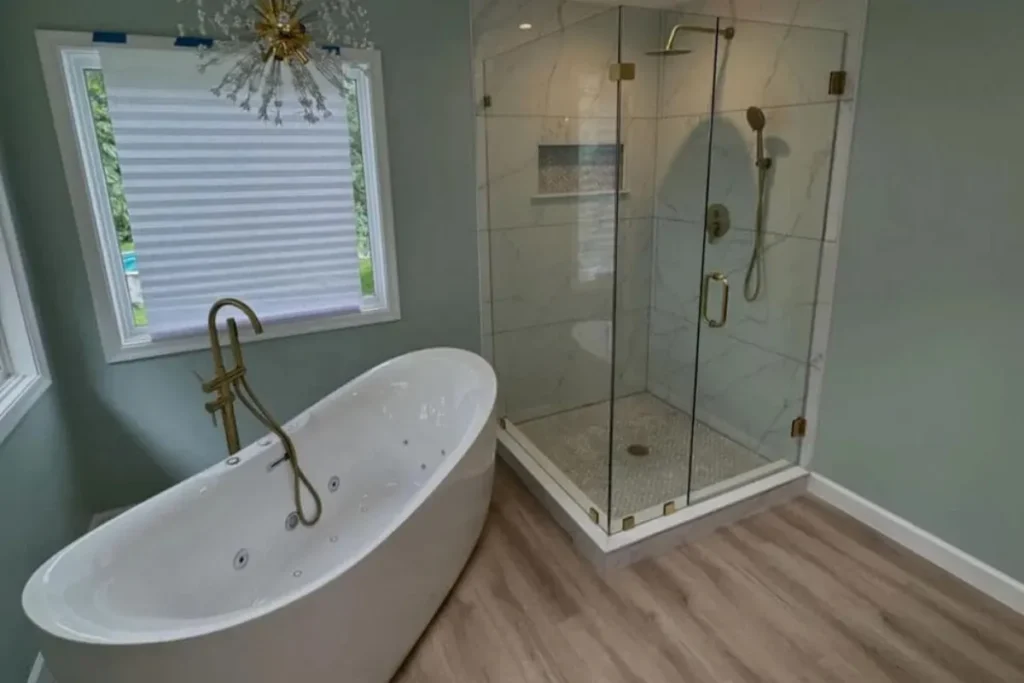
Walk-in showers take up less floor space than a tub and surround combo. A curbless entry removes the high step you would otherwise climb over, which reduces the risk of slipping.
Glass enclosures give the bathroom an open, clean look. They also make a small bathroom feel larger because there is no visual barrier cutting the room in half.
Showers also use less water. A typical shower uses around 25 gallons. A full bath uses 30 to 50 gallons. That difference adds up over time on your water bill.
Bathtub
A bathtub is essential if you have young children. Bathing kids under six in a walk-in shower is difficult and uncomfortable. A tub makes that routine faster and safer.
Soaking in a tub helps with muscle recovery and stress. Many homeowners use the tub specifically for that reason, even if they shower daily.
Tubs can also support resale value. Homes with at least one bathtub tend to sell faster. Real estate agents consistently recommend keeping one. For more context, see our guide on whether a bathroom remodel is worth it.
How Do the Costs Compare?
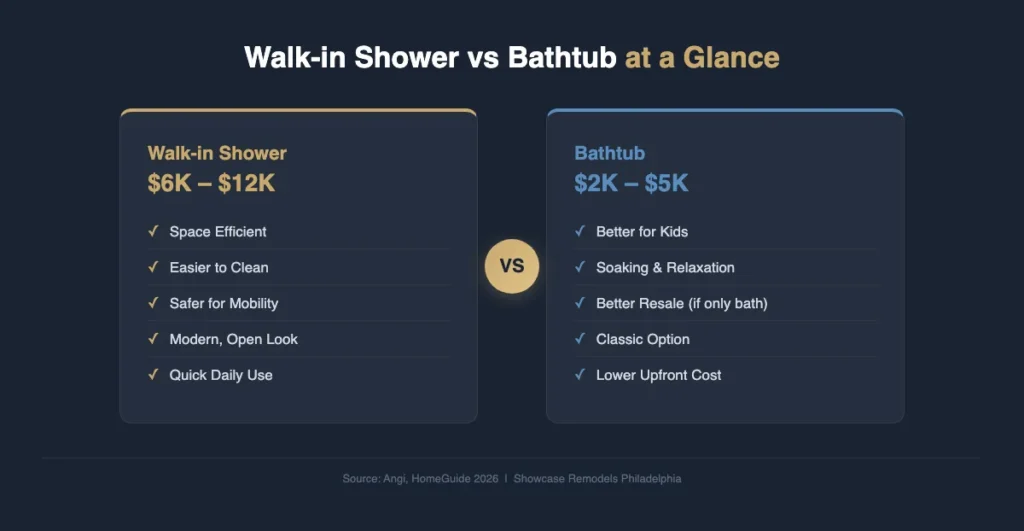
Walk-in shower installation typically runs $6,000 to $12,000 according to Angi’s 2026 data. Custom tile with a frameless glass enclosure pushes toward the higher end. Prefab shower kits run $1,000 to $3,000 installed, but the look is less custom.
HomeGuide puts the average walk-in shower cost in Philadelphia at $7,592. That number reflects local labor rates and the mix of projects completed in the area.
Bathtub costs depend on the type. A standard tub replacement runs $2,000 to $5,000. A freestanding soaking tub costs $3,000 to $8,000 depending on the model and installation complexity.
What the Numbers Mean
A walk-in shower generally costs more than a standard tub swap. But if you are converting a tub space to a walk-in, the cost comparison is between a full shower build versus a freestanding tub. The gap narrows quickly.
Budget drives a lot of these decisions. A prefab shower kit gets you a functional upgrade at lower cost. A custom tile walk-in with frameless glass is a different investment at a different price point.
What Do Philadelphia Homeowners Actually Choose?
A Northeast Philadelphia Example
One homeowner in Northeast Philly had a cramped main bathroom with a tub that almost never got used. The family showered daily but soaked in the tub only a few times a year.
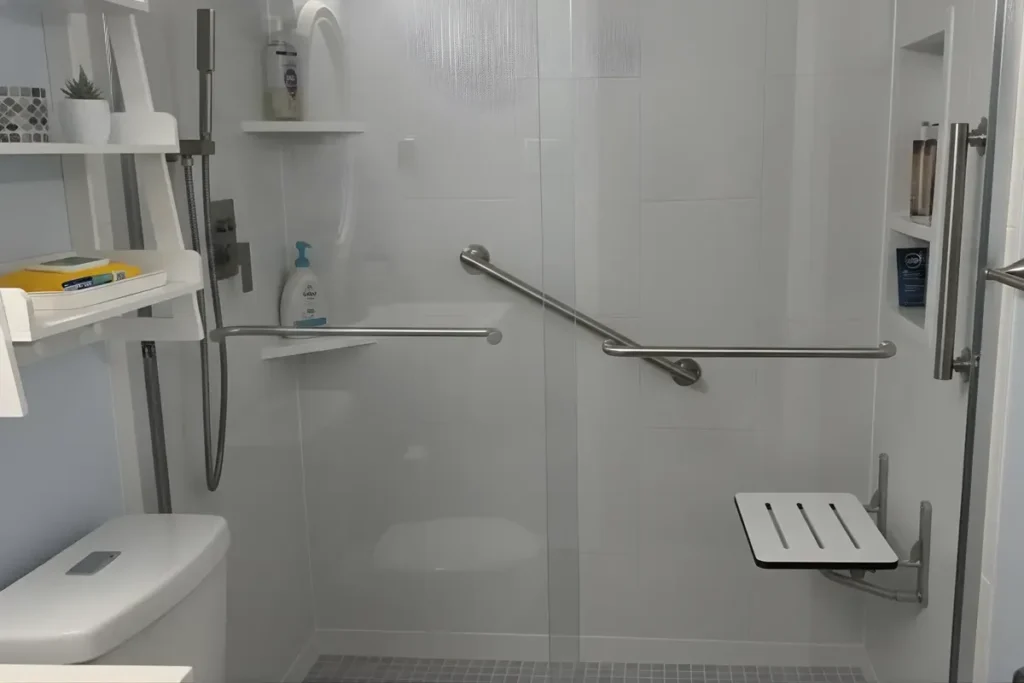
We converted it to a curbless walk-in shower with a built-in bench and a grab bar. The homeowner now uses it every day. The bathroom feels bigger and is much easier to clean.
That kind of project is common here. The rarely-used tub takes up most of the room, and removing it opens up space that actually improves daily life.
How to Decide and What Else to Consider
Using Your Answers
If you have young children, keep a tub. If mobility is a factor now or likely to be in the future, a curbless walk-in shower is the safer and more practical choice.
If you have one bathroom, a tub-shower combo keeps both options available. If you have two or more bathrooms, a common approach is a walk-in shower in the main bathroom and a tub in the secondary bathroom.
That setup gives you the daily convenience of a walk-in while keeping the tub for children or resale. Real estate agents consistently recommend having at least one tub in the home.
If you are still weighing the full cost picture, see our breakdown of walk-in shower costs in Philadelphia. You can also read about how much a bathroom remodel costs in Philadelphia to see where a shower conversion fits in the broader budget.
Curious about the bathtub replacement timeline? We cover that in detail.Frequently Asked Questions
It can, but only in certain situations. If your home has one bathroom and you remove the only tub, that can hurt resale. If you have two or more bathrooms and keep a tub in at least one of them, the impact on value is minimal. Most buyers in Philadelphia are fine with a walk-in shower in the main bathroom as long as a tub exists somewhere in the home.
Yes. The drain location may need to be adjusted, but in most cases the plumbing is close enough to make the conversion straightforward. A tub-to-shower conversion is the most common bathroom project we complete in Philadelphia. The existing water supply lines and drain are usually reused with minor modifications.
Generally, yes. A walk-in shower has fewer surfaces and no ledge to scrub around. A frameless glass enclosure is easier to wipe down than a tile surround with grout lines. Bathtubs collect soap scum around the rim and waterline, which takes more effort to clean regularly.
We work with Philadelphia homeowners on tub-to-shower conversions and bathtub installations every week. Give us a call and we will look at your bathroom and give you a straight answer on what makes sense.
