







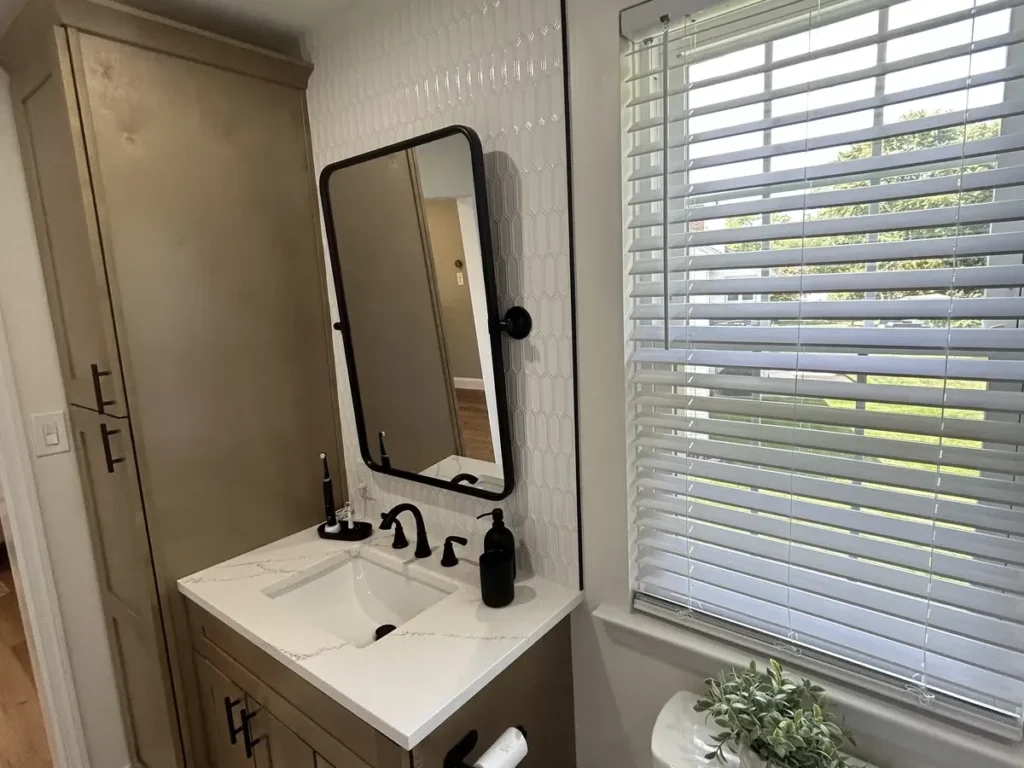
Some bathroom projects need a city permit, and some do not. Here is how to tell the difference before you start your Philadelphia remodel.
Do You Need a Permit to Remodel a Bathroom in Philadelphia?
Permits Are Part of a Safe Bathroom Remodel
Planning a bathroom remodel in Philadelphia raises one big question early on. Do you need a permit? The answer depends on the work you want done.
A permit is the city’s way of checking that the work is safe and up to code. It protects you, your home, and the next owner. Skipping it can cause real problems later.
This guide breaks down which projects need a permit, how to get one, and what can go wrong if you skip it. If you are planning a full bathroom remodeling in Philadelphia project, knowing the permit rules upfront keeps your build on track.
Do You Need a Permit to Remodel a Bathroom in Philadelphia?
For most full bathroom remodels in Philadelphia, the answer is yes. The city requires permits when you change plumbing, wiring, or the structure of the room.
Philadelphia handles permits through the Department of Licenses and Inspections, also called L&I. They issue the permit and send an inspector to check the work.
The goal is simple. The city wants to make sure your new bathroom is safe, sealed, and built to code. A permit is what makes that check official.
Which Bathroom Projects Need a Permit?
Not every bathroom job needs a permit. The rule of thumb is this. If you change the plumbing, the electrical, or a wall, you likely need one.
Work That Usually Needs a Permit
Moving a toilet, sink, or shower drain needs a plumbing permit. New wiring, added outlets, or a new vent fan often need an electrical permit. Taking out or moving a wall needs a building permit because it changes the structure.
Work That Usually Does Not Need a Permit
Swapping a faucet, painting walls, or replacing a vanity in the same spot is often fine without a permit. New tile over the same surface and a like-for-like toilet swap usually do not need one either. When in doubt, check with L&I before you start.
Because permits depend on the scope, it helps to know your plan before you call. A clear bathroom renovation plan makes the permit step faster and easier.
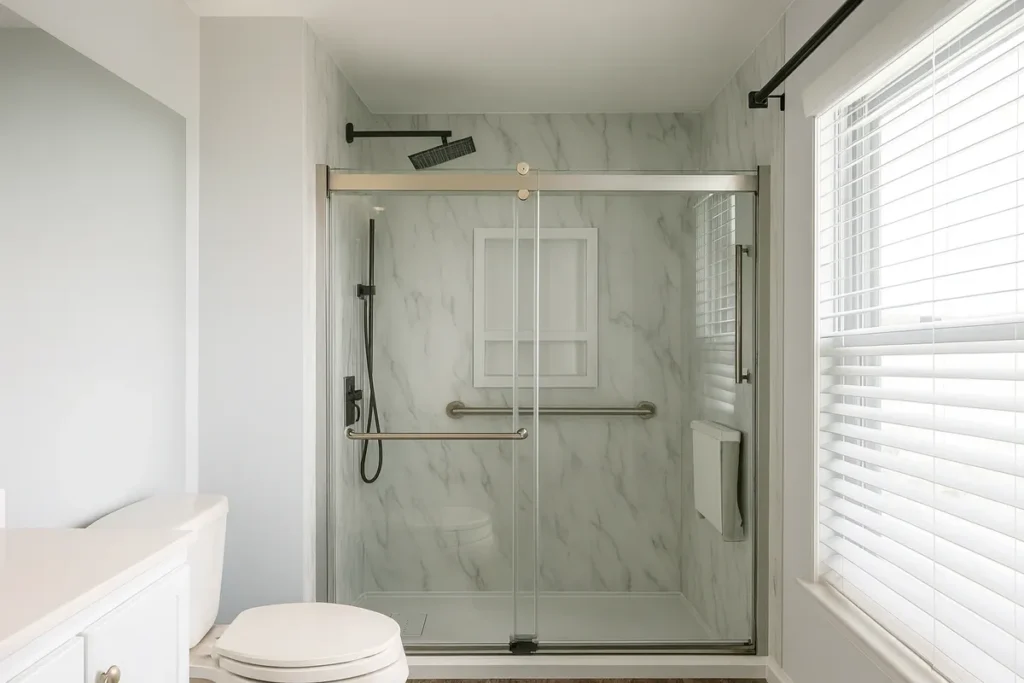
How Do You Get a Bathroom Remodel Permit in Philadelphia?
Getting a permit follows a clear set of steps. Most homeowners work with their contractor to handle the paperwork.
Apply Through L&I
Permits go through the Department of Licenses and Inspections. You can apply online or in person. The city reviews your plans and the type of work you want to do.
Use a Licensed Contractor
Plumbing and electrical permits in Philadelphia must be pulled by a licensed pro for that trade. A good remodeler manages this for you, so you do not have to chase each permit on your own.
Pass the Inspections
After the work is done, an inspector checks it against city code. Once it passes, your remodel is closed out and on record. This step proves the job was done right.
Permits also shape your project timeline. Knowing what order should you remodel a bathroom in helps you line up inspections at the right points so the work never stalls.
What Happens If You Skip the Permit?
Skipping a permit may feel faster, but it can cost you more in the long run. The risks are real and worth knowing.
The city can issue fines or a stop-work order if it finds unpermitted work. You may be told to open up finished walls so an inspector can check what is behind them.
Unpermitted work can also hurt you at sale time. Buyers and their lenders often ask for permit records. Missing permits can slow a sale or lower your price.
If budget is your concern, there are smarter ways to manage cost than skipping permits. Our guide on whether you should you remodel your bathroom in stages shows how to spread out the work while keeping everything to code.
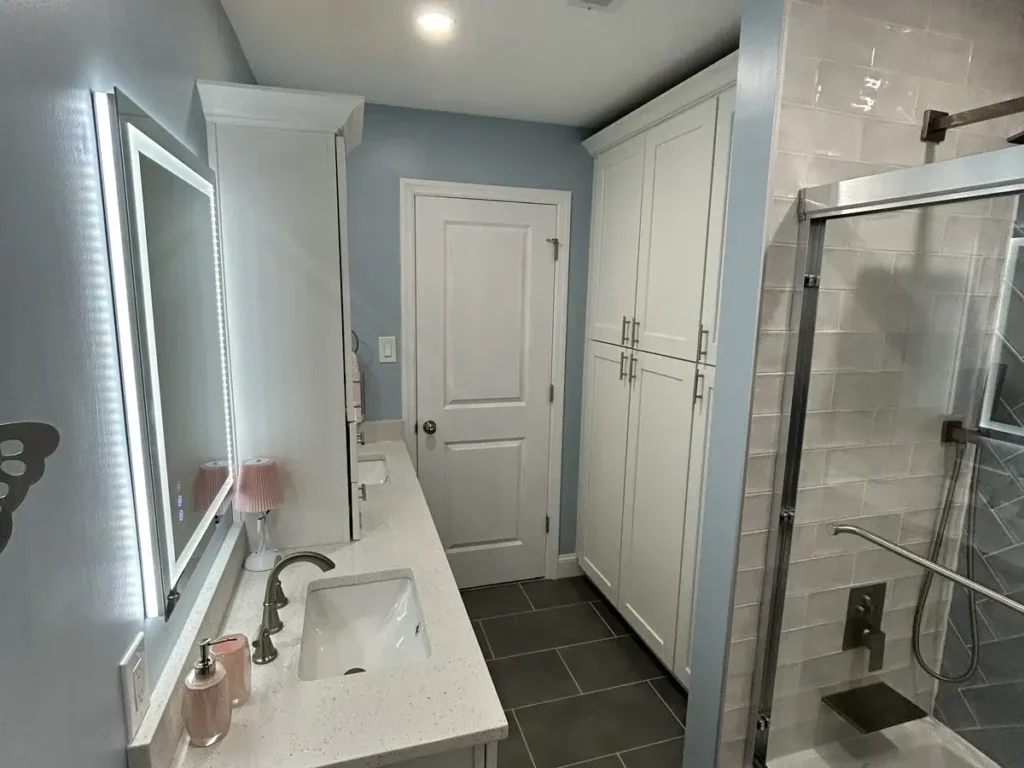
Frequently Asked Questions About Bathroom Permits in Philadelphia
Plan a Bathroom Remodel That Is Done Right
For official permit requirements and to apply online, visit the Philadelphia Department of Licenses and Inspections.
Showcase Remodels helps Philadelphia homeowners handle the permits, the inspections, and the full bathroom build. We manage the paperwork so your remodel stays safe and on schedule.
Call us today at 215-515-6484 for a free estimate on your bathroom remodel.
For homeowners weighing how much to tackle at once, see our guide on Should you remodel your bathroom in stages before you commit to a full project.
Showcase Remodels pulls the permits, handles the inspections, and builds your bathroom the right way. Philadelphia homeowners get one point of contact for the whole project.
Call 215-515-6484 for a free estimate or fill out the form below.
